National Covers Official Site
  Google Top Quality Store
.png)

Forklifts sit far more than most people realize. During shifts, when it’s not in peak season or during unscheduled downtime, equipment can be left exposed to the elements, weathering, and collecting dust in between temperature contrasts. That exposure has a subtle drag on performance. Moisture sneaks into electrical connections. Sunlight fades plastics and dries out hoses. Dirt settles into moving parts. Over time, these small hits add up to lagging starts, unreliable operation, and higher repair bills.
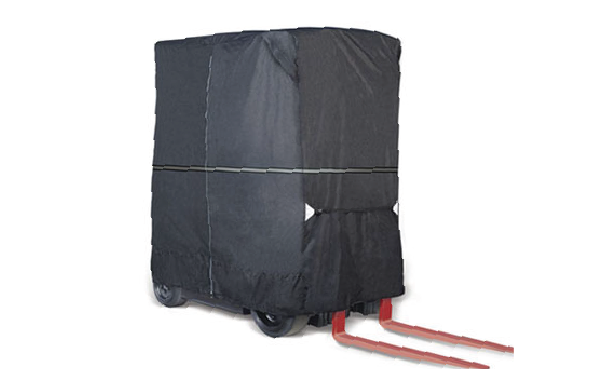
That is why a Heavy-duty forklift storage cover becomes a practical step towards keeping equipment ready to work when the next assignment comes in. In today’s blog, we will discuss protective solutions by National Forklift Covers that help businesses reduce downtime and boost the working life of their fleets.
Hidden Damage Caused By Leaving Forklifts Uncovered
Here are some hidden damages:
- Rain and humidity cause corrosion on terminals and electrical connectors
- Dust settles in air intakes, filters, and control panels
- UV exposure weakens seat vinyl, rubber seals, and exterior plastics
- Temperature swings create condensation inside the engine bay
Why Do Covered Forklifts Start Faster After Downtime
Protecting electrical and power systems during idle periods helps forklifts restart more reliably and with less strain.
Keeps Battery Terminals Drier
Moisture on batteries and terminals interferes with current flow. Covers help limit exposure to rain and humidity, supporting better power delivery at startup.Reduces Corrosion on Wiring
Uncovered forklifts allow corrosion to build resistance in electrical connections. Keeping components shielded helps preserve electrical integrity over time.Limits Cold and Weather Stress
Cold nights and damp conditions drain battery capacity faster when parts are exposed. Covers help reduce temperature and moisture stress during storage.Protects Ignition and Control Areas
Dust and grime can affect switches and contacts. A quality cover helps keep control surfaces cleaner and more responsive.Prevents Debris Buildup Around Power Systems
Leaves, dirt, and yard debris collect around sensitive components when forklifts sit idle. Covers reduce contaminant buildup that can interfere with startups.
How Forklift Covers Support Engine Health and Steady Performance
Engines like clean air and dry conditions. When forklifts sit uncovered, contaminants collect in the intake area and around the engine bay. Moisture can compromise lubrication and accelerate corrosion on metal surfaces. Over time, these issues affect how smoothly the engine runs.
Keeping the engine area clean and dry during downtime helps forklifts deliver more reliable performance when operations resume.
Keeps Air Intakes Cleaner
Uncovered forklifts collect dust and debris around the intake and engine bay. Covers limit buildup that can restrict airflow and affect combustion efficiency.Reduces Moisture Exposure
Rain, humidity, and condensation increase corrosion risk on metal parts. A quality cover helps keep critical engine components drier during storage.Protects Lubrication Systems
Moist environments can degrade lubricants over time. Reducing moisture exposure supports smoother engine operation after idle periods.Preserves Belts, Hoses, and Filters
Rubber and composite components break down faster when exposed to UV and moisture. Covers slow degradation and helps extend service intervals.
Supports Smoother Startups
Cleaner, drier engine bays reduce startup friction after downtime, supporting more consistent performance across shifts and seasons.

Why Fleet Managers Rely On Professional-Grade Covers
Downtime costs money. Missed deadlines, delayed loading, and emergency repairs disrupt workflows. Fleet managers look for simple ways to protect assets without adding complexity to daily routines. Covers check that box. They take seconds to install, require little training, and deliver ongoing value.Simple protective habits during downtime help fleets avoid preventable wear, operational delays, and costly, unplanned repairs over time.
- Downtime disrupts schedules, delays loading, and increases operational costs across yards and warehouses
- Exposure to rain, dust, and UV accelerates wear on idle forklifts, even when parked short-term
- Professional-grade forklift covers offer a low-effort way to reduce daily environmental exposure
- Easy-on, easy-off designs allow teams to protect equipment without slowing down workflows
- Reduced weather-related issues help forklifts start more reliably at the beginning of each shift
- Maintenance teams spend less time addressing moisture, corrosion, and debris-related problems
Final Thoughts
Protecting forklifts during idle time is a simple habit that delivers long-term value. Using a Heavy-duty forklift storage cover helps limit weather exposure, reduce avoidable wear, and support more reliable starts. Over time, that protection leads to fewer interruptions, steadier performance, and lower maintenance pressure. For operations that want equipment ready when work calls, choosing the right forklift cover is a practical step toward keeping fleets running smoothly.
 WARNING: Cancer and Reproductive Harm California Prop 65 -