National Covers Official Site
  Google Top Quality Store
.png)

You don’t really think about forklift protection until something goes wrong. A cracked seat, faded controls, rust where it shouldn’t be. Suddenly, a machine that worked fine yesterday needs repairs today. Most of that damage doesn’t happen overnight. It builds up quietly while the forklift sits unused.
A forklift cover might seem like a small thing, but it plays a much bigger role than people expect. If you’re trying to figure out which one actually makes sense, this guide will help you choose without overthinking it.
Why a Forklift Cover Is Not Optional Anymore
Forklifts spend a lot of time parked. Sometimes indoors, sometimes outside, sometimes both. During that downtime, they’re exposed to sun, moisture, dust, and debris. Over time, sunlight fades paint and dries out rubber parts. Rain finds its way into joints and wiring. Dust settles everywhere and slowly increases wear.
A forklift cab cover creates a barrier between your equipment and those daily threats. It keeps your forklift cleaner, reduces corrosion, and cuts down the time spent wiping things down before a shift starts. That protection adds up, especially if you’re managing multiple units.
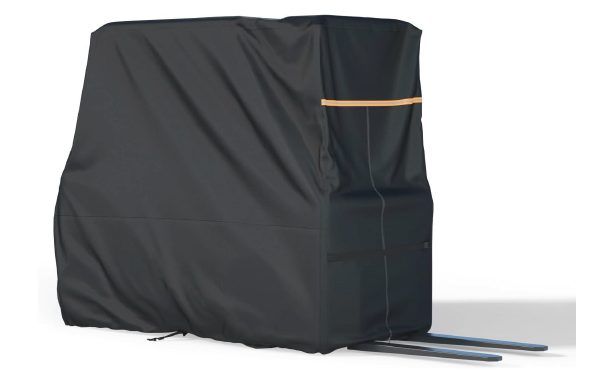
Fit Comes Before Everything Else
Before you look at fabric or features, you need to get the fit right. A forklift cab cover that doesn’t fit properly won’t protect much of anything.
Matching the Cover to Your Forklift Size
Most standard forklifts fall within the 3000 lb to 5000 lb range. Covers designed for this size category usually work well for warehouse and light industrial equipment. They’re shaped to cover the mast, overhead guard, and operator area without leaving large gaps.
If a cover is too loose, wind can lift it and let water sneak in. If it’s too tight, it becomes difficult to install and may tear sooner than expected. The goal is a balanced fit that stays in place without feeling forced.
Why Adjustable Buckles Matter
Covers with adjustable buckles give you more control. Just tighten them around the base, and you don’t have to worry about the cover slipping around while you’re not looking. If your forklift has a few extra attachments or angles, then no problem, because the buckles let you get a snug fit anyway. That way, the cover stays put and keeps your forklift protected, even when the wind picks up.
Fabric Choice Shapes Performance
Fabric is where quality becomes obvious. It affects durability, ease of use, and how well the forklift stays protected over time.
The Practical Advantage of 420D Outdoor Fabric
420D outdoor fabric is a solid choice for daily use. It stands up to sun and rain, and it doesn’t look heavy and stiff. You can put it on and take it off without a struggle, which matters when covers are used regularly.
This type of fabric resists tearing better than thinner materials and holds up well in busy yards or warehouses. It’s not overbuilt, but it’s reliable, which is exactly what most operations need.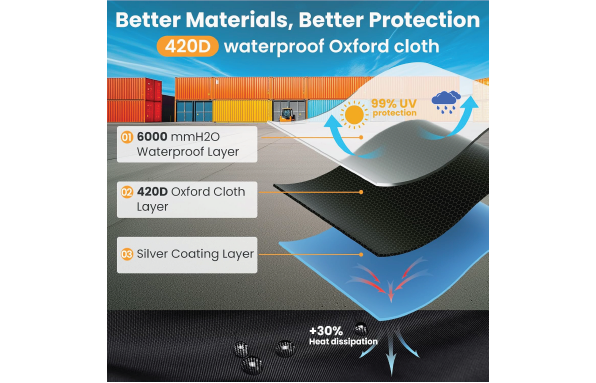
Breathability Prevents Long-Term Damage
A cover that seals everything tightly might seem like a good idea, but trapped moisture causes problems. Condensation can form under the cover, especially after rain or temperature changes. That moisture leads to rust and mildew.
Breathable forklift covers with built-in vent ports allow air to move through. They let air flow through, so things stay dry underneath. That helps protect the important parts inside. It’s a little feature, but it really pays off in the long run.
Protection That Goes Beyond Rain
A forklift cover shouldn’t only be about rain. Weather and environment come as a package deal.
Sun, Dust, and Dirt Add Up Fast
Sun exposure fades paint and weakens plastic and rubber parts. Dust works its way into moving components and increases friction. Dirt buildup means more cleaning and more wear.
A good forklift cab cover blocks all of this. It keeps dust and grime off, cuts down on cleaning time, and helps your forklift stay in top shape. When your gear looks good and feels right, it just runs better, simple as that.
One Cover for Indoor and Outdoor Storage
Some forklift covers are designed to work both indoors and outdoors. This flexibility matters if you move your forklifts around or your storage setup changes. You don’t have to mess with different covers. One dependable option takes care of everything.
Features That Make Daily Use Easier
There are just small things that end up deciding whether people actually use a cover every day or just leave it folded in the corner.
Secure Fastening Systems
Adjustable buckles help keep the cover in place. They prevent slipping and bunching, especially during windy nights. When a cover stays put, it does its job without constant readjustment.
Vent Ports and Reflective Details
Vent ports release heat and moisture, which protects internal parts. Reflective security strips improve visibility in low-light areas. This is useful in shared yards or warehouses where equipment is parked close together. Better visibility reduces the chance of accidental bumps.
A Practical Forklift Cover Worth Looking At
If you’re looking for a simple way to protect, then a forklift sun and rain cover gets the job done. It’s built to fit most standard forklifts, anything between 3,000 and 5,000 lb, so you don’t have to worry much about sizing.
Built for Real-World Conditions
The cover uses tough 420D outdoor fabric, so it stands up to sun, rain, dust, basically whatever’s in the air. You can store your forklift inside or out without worrying about where you leave it.
Designed for Consistent Use
You get adjustable buckles to keep things snug, plus breathable fabric with vent ports to keep moisture from building up. Reflective strips make it easier to spot. No unnecessary extras, just what you need to protect your equipment without overspending.
Choosing Based on Your Storage Environment
Think about where you store your forklift before deciding.
Outdoor Storage Needs
If it’s usually outdoors, you’ll want something durable with strong fasteners. Wind, rain, and sun will test any cover, so make sure you pick one that stays put and doesn’t wear out after a few storms.
Indoor Storage Still Needs Protection
Even if you keep your forklift inside, dust and humidity still find their way in. Forklifts stored inside still benefit from breathable covers that prevent buildup and reduce cleaning time.
Simple Maintenance Makes Covers Last Longer
A forklift cover doesn’t need much care, but a little attention helps.
Shake off dirt before removing it. Let it dry completely before storage. Check buckles and straps. Store it in a clean, dry place. These little habits really help your cover last longer and do its job.
?Making a Smart Long-Term Decision
Picking out a forklift cab cover isn’t about grabbing the priciest one. What really matters is how it fits, the material it’s made from, and whether it actually suits the way you use your equipment. Get those right, and the cover just gets on with its job, no fuss, no confusion.
With the right cover, you cut down on wear and tear. Maintenance bills drop, and your forklifts stay ready when you need them. Good covers, like the cab covers from National Forklift Covers, are built to handle real work. They protect your equipment, so it runs smoother and sticks around longer, no surprise breakdowns getting in the way.
 WARNING: Cancer and Reproductive Harm California Prop 65 -